Art has always been a reflection of human expression, capturing emotions, history, and imagination in a way that transcends language. Among all art forms, oil painting holds a special place due to its richness, depth, and timeless appeal. Across the world, galleries serve as spaces where these masterpieces are preserved, displayed, and appreciated. Within this broader context, the concept of galleries oil paintings arcachdir emerges as an intriguing lens through which to explore artistic traditions, modern interpretations, and the evolving relationship between art and its audience.
Oil paintings have a unique ability to convey texture and emotion. The layering of colors, the blending of tones, and the subtle interplay of light and shadow create works that can captivate viewers for generations. Galleries, in turn, act as custodians of these works, offering a curated environment where art can be experienced in its full depth.
The History of Oil Painting
Oil painting has a long and fascinating history that dates back centuries. Although early forms of oil-based painting existed in ancient times, the technique was refined during the European Renaissance. Artists began to experiment with oil as a medium, discovering its versatility and ability to create detailed and luminous effects.
During this period, oil painting became the preferred medium for many renowned artists. Its slow drying time allowed for careful blending and layering, enabling artists to achieve remarkable realism. Over time, the technique spread across different regions, influencing various artistic movements.
The tradition continues to thrive today, with galleries around the world showcasing both classical and contemporary works. The idea of galleries oil paintings arcachdir reflects this enduring legacy, highlighting the importance of preserving artistic heritage while embracing innovation.
The Role of Art Galleries
Art galleries serve as more than just exhibition spaces. They are cultural institutions that play a vital role in the art world. By curating collections and organizing exhibitions, galleries provide a platform for artists to share their work with a wider audience. arcachdir
Galleries also contribute to the preservation of art. Proper storage, restoration, and documentation ensure that artworks remain in good condition for future generations. This responsibility is particularly important for oil paintings, which require careful maintenance due to their delicate nature.
The concept of galleries oil paintings arcachdir emphasizes the connection between galleries and the artworks they house. It highlights the importance of creating spaces where art can be appreciated, studied, and celebrated.
Understanding the Appeal of Oil Paintings
Oil paintings have a distinct charm that sets them apart from other forms of art. The richness of colors, the depth of texture, and the ability to capture fine details make them highly valued by collectors and enthusiasts alike.
One of the key features of oil painting is its versatility. Artists can create a wide range of effects, from smooth, polished surfaces to bold, textured strokes. This flexibility allows for endless creative possibilities.
In the context of galleries oil paintings arcachdir, this appeal is further enhanced by the curated environment of galleries. The lighting, arrangement, and presentation of artworks all contribute to the viewer’s experience, making each visit unique and memorable.
Artistic Movements and Styles
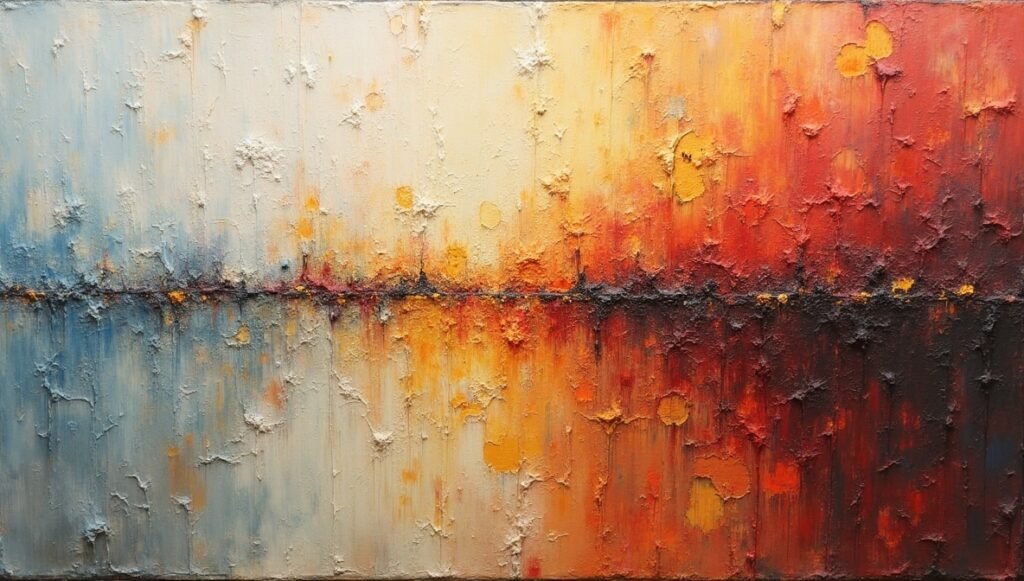
Throughout history, oil painting has been associated with various artistic movements. From the realism of the Renaissance to the expressive brushstrokes of Impressionism, each movement has brought new perspectives and techniques.
Modern and contemporary artists continue to push the boundaries of oil painting, experimenting with new styles and concepts. This diversity adds to the richness of the art world, offering something for every taste and preference.
The idea of galleries oil paintings arcachdir encompasses this diversity, showcasing how galleries bring together works from different periods and styles. This creates a dynamic environment where tradition and innovation coexist.
The Experience of Visiting a Gallery
Visiting an art gallery is a unique experience that goes beyond simply viewing artworks. It involves engaging with the art, reflecting on its meaning, and connecting with the emotions it evokes.
The layout of a gallery plays a crucial role in shaping this experience. Thoughtful curation and arrangement guide visitors through the exhibition, creating a sense of flow and coherence. Lighting and spacing are also carefully considered to enhance the visibility and impact of each piece.
Within the framework of galleries oil paintings arcachdir, the gallery experience becomes a journey of discovery. Each painting tells a story, inviting viewers to explore different perspectives and interpretations.
Collecting Oil Paintings
Art collecting is both a passion and an investment. For many collectors, acquiring oil paintings is a way to connect with art on a personal level. Each piece becomes part of a larger narrative, reflecting the collector’s taste and interests.
When collecting oil paintings, factors such as authenticity, condition, and provenance are important considerations. Galleries often provide valuable guidance in this process, helping collectors make informed decisions.
The concept of galleries oil paintings arcachdir highlights the relationship between galleries and collectors. By offering access to curated collections and expert knowledge, galleries play a key role in supporting the art market.
The Cultural Significance of Art
Art is a reflection of culture and society. It captures the values, beliefs, and experiences of different communities, providing insight into their history and identity. Oil paintings, in particular, have been used to document important events and portray everyday life.
Galleries serve as spaces where this cultural heritage is preserved and shared. By bringing together artworks from different regions and periods, they create opportunities for cross-cultural understanding and appreciation.
In the context of galleries oil paintings arcachdir, this cultural significance is amplified. It underscores the role of galleries in fostering dialogue and promoting a deeper understanding of art and its impact on society.
The Role of Technology in Art Galleries
Technology has transformed the way art is displayed and experienced. Digital tools, virtual exhibitions, and interactive displays have made art more accessible to a global audience.
While traditional gallery visits remain important, technology offers new ways to engage with art. Virtual tours and online exhibitions allow people to explore galleries from anywhere in the world.
The idea of galleries oil paintings arcachdir reflects this evolving landscape. It highlights how galleries are adapting to modern trends while maintaining their commitment to preserving and showcasing art.
Challenges in the Art World
The art world faces various challenges, including issues related to authenticity, preservation, and accessibility. Ensuring the authenticity of artworks is crucial, as forgeries can undermine trust in the market.
Preservation is another important concern. Oil paintings require careful handling and maintenance to prevent damage. Environmental factors such as temperature and humidity must be controlled to protect the artworks.
Accessibility is also a key issue. While galleries strive to reach a wider audience, barriers such as location and cost can limit access. The concept of galleries oil paintings arcachdir encourages efforts to make art more inclusive and accessible to all.
Supporting Artists and Creativity
Artists are at the heart of the art world. Their creativity and vision drive the development of new ideas and styles. Supporting artists is essential for the continued growth and vitality of the art community.
Galleries play a significant role in this process by providing opportunities for artists to showcase their work. Exhibitions, residencies, and collaborations help artists gain recognition and connect with audiences.
The philosophy of galleries oil paintings arcachdir emphasizes the importance of nurturing creativity. By supporting artists and promoting their work, galleries contribute to the ongoing evolution of art.
The Future of Oil Painting Galleries
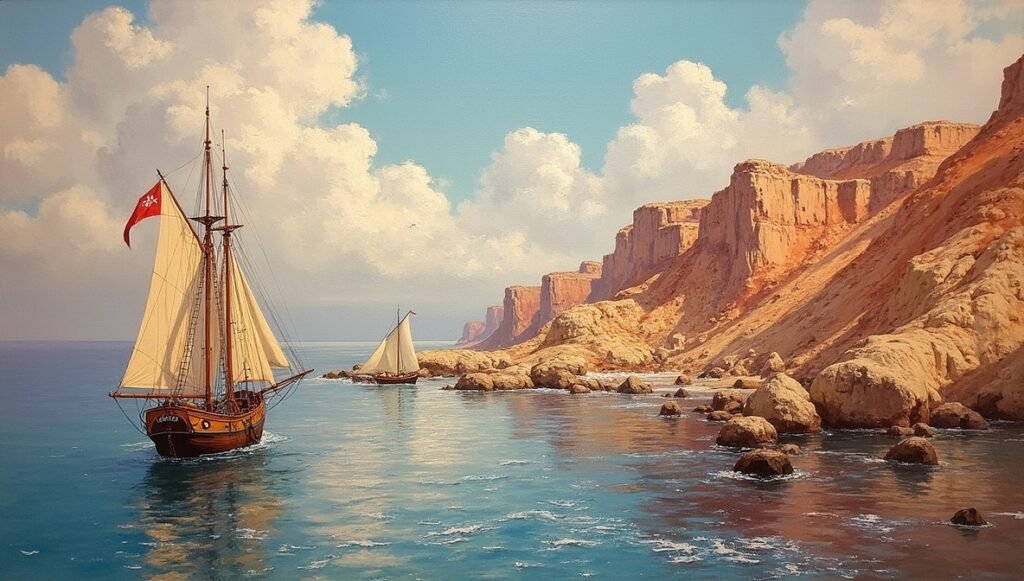
The future of oil painting galleries is shaped by changing trends and evolving audience expectations. While traditional practices remain important, galleries must also adapt to new developments.
Sustainability, inclusivity, and innovation are likely to play a key role in the future of galleries. By embracing these principles, galleries can continue to thrive and remain relevant in a rapidly changing world.
The concept of galleries oil paintings arcachdir represents this forward-looking perspective. It highlights the potential for galleries to evolve while preserving the timeless beauty of oil paintings.
Conclusion
Oil paintings and galleries share a deep and enduring connection. Together, they create spaces where art can be experienced, appreciated, and preserved. From historical masterpieces to contemporary works, galleries offer a window into the rich and diverse world of art.
The idea of galleries oil paintings arcachdir serves as a reminder of the importance of this relationship. It emphasizes the role of galleries in supporting artists, engaging audiences, and preserving cultural heritage.
As the art world continues to evolve, the significance of galleries and oil paintings remains strong. By embracing both tradition and innovation, they can continue to inspire and enrich the lives of people around the world.